
The European Union Support to Democratic Governance in Nigeria Programme has raised concerns over the growing threat of artificial intelligence-generated fake news ahead of the 2027 general elections, warning that manipulated images, videos and audio recordings could mislead millions of Nigerians.
The programme said electoral institutions, media organisations, technology platforms and citizens needed to strengthen their preparedness to identify and respond to disinformation as the country approaches the polls.
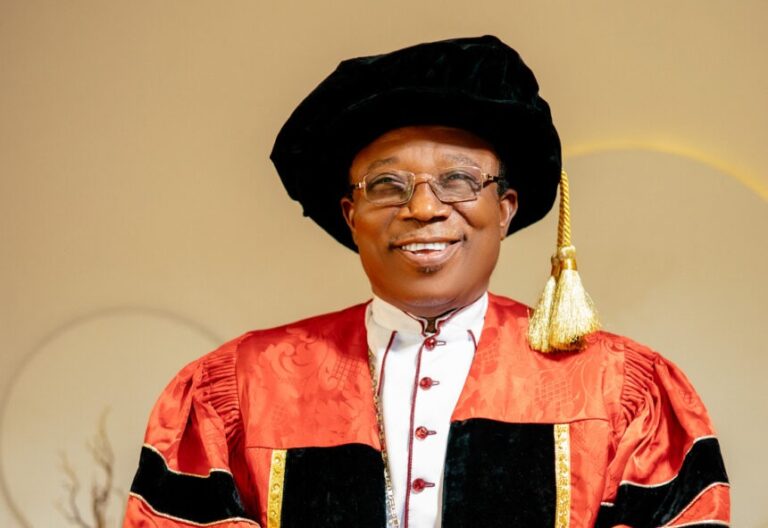
Speaking on behalf of the EU-SDGN Programme, Lanre Arogundade on Thursday in a statement by the EU-SDGN said advances in artificial intelligence had made it increasingly difficult to distinguish authentic electoral information from fabricated content.
“The challenge before us is no longer simply whether false information can influence elections. Artificial intelligence has made it possible to produce convincing images, videos and audio recordings capable of misleading millions of people within minutes,” Arogundade said.
He said Nigeria needed to assess whether its electoral institutions, the media, technology platforms and citizens were adequately prepared to tackle the emerging threats.
“As Nigeria approaches the 2027 elections, we must ask whether our electoral institutions, the media, technology platforms and citizens are sufficiently prepared to recognise and respond to these threats,” he added.
Arogundade spoke ahead of a two-day national summit scheduled for November 2 and 3, 2026, at the Abuja Continental Hotel.
The summit, titled “Beyond the Ballot: Safeguarding Electoral Information Integrity in the Age of AI,” is being organised by the International Press Centre and the Centre for Media and Society, in collaboration with DAI and International IDEA, under the EU-SDGN Programme, funded by the European Union.
According to the organisers, the summit will bring together approximately 250 participants, including representatives of the Independent National Electoral Commission, media organisations, technology platforms, fact-checking groups, civil society organisations, government institutions and academia.
The meeting will examine how AI-generated deepfakes, manipulated images, coordinated disinformation campaigns and foreign information manipulation and interference could distort electoral information, influence public perceptions and undermine confidence in election outcomes.
A major feature of the summit will be an interactive simulation of an AI-driven electoral disinformation crisis, designed to test how institutions and information actors respond when misleading content spreads during an election.
Arogundade said the gathering was intended to move beyond discussions about information disorder and identify practical measures to protect the integrity of electoral information.
“Beyond the Ballot is not just another conference about information disorder. It is an opportunity to test our preparedness, examine institutional responsibilities and identify practical measures to protect the integrity of electoral information,” he said.
“Our objective is to ensure that Nigerians can make electoral decisions based on credible information rather than manipulation, deception or manufactured narratives.”
The summit will also examine the responsibilities of digital platforms, the influence of social media content creators, the implications of foreign information manipulation and interference, and the evolving role of journalism in an AI-driven information environment.
Participants are expected to discuss strategies for detecting manipulated content, verifying election-related claims, communicating accurate information during electoral emergencies and strengthening public resilience against disinformation.
The discussions will also consider how to protect electoral information integrity while safeguarding freedom of expression, media independence and citizens’ right to information.
The concerns come as Nigeria prepares for the 2027 general elections, when political campaigns and voter engagement are expected to rely heavily on digital communication platforms.
AI-generated content can be used to impersonate political candidates, fabricate statements, manipulate audiovisual material and circulate misleading claims at scale.
Without timely verification and effective public communication, such content can complicate efforts by electoral authorities and journalists to provide voters with accurate information.
The summit is expected to identify measures to strengthen coordination among electoral institutions, the media, technology platforms and civil society organisations to ensure Nigerians have access to credible information throughout the electoral process.
—By Deborah Tolu-Kolawole